MAIN MENU
EXPLORE BY THEME
EXPLORE BY TYPE
EXPLORE BY CINEMA
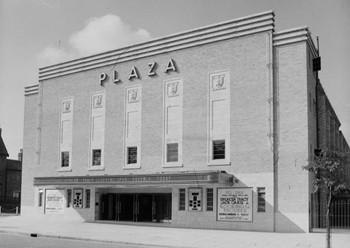
Memories are made of this… Project overview
The aim of the Going to the Pictures Project has been to help preserve a part of our local cinema heritage by collecting and recording memories from people who used and worked in the local picture houses from the 1930′s to the 1960′s.
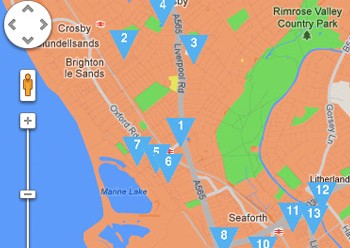
Cinema Heritage Interactive Map
Explore this map of 21 local cinemas within a 3 mile radius of the Plaza, from 1930 to 1960.
The Documentary Film – The Story of the Project
Local film maker Tim Brunsden has followed the Going to the Pictures project development and has created a documentary which tells the story of the project.
The cinema as a community venue.
The Cinema’s of the 1930′s to the 1960′s were often seen as being a quite luxurious venue for the public to go. They were an important part of the community for socialising and magnificent places of entertainment
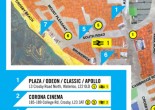
Cinema Heritage Trail Map to print
As part of the project we have produced a specially designed Cinema Heritage Trail Map. 5000 have been printed and distributed locally - keep a look out at your local community centre, or pick one […]
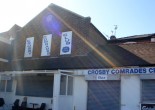
Crosby Cinema / Crosby Picture House – Liverpool Road, Crosby
Crosby Cinema or Crosby Picture House was opened 100 years ago as Crosby’s only cinema.

The Going to the Pictures Project Website
As part of the project volunteers were given the opportunity to attend a Website Workshop in which they learnt skills on how to upload text and visual content to this website.
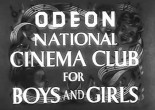
Odeon Saturday Club song
“I remember the club song which went like this: “To the Ode – Odeon we have come…”
Twicer ice lollies and the National Anthem
Dot Sharp (now living in Canada!) contacted us to share her memories of cinema: “My brother and I would run as fast as we could on our 5 and 6yr old legs from Bark Road […]
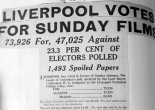
Sunday Cinema opening
At one time many cinemas were not allowed to open on a Sunday and those which did had several restrictions placed upon them.